
One Cable, Faster Charging, Smarter Connectivity
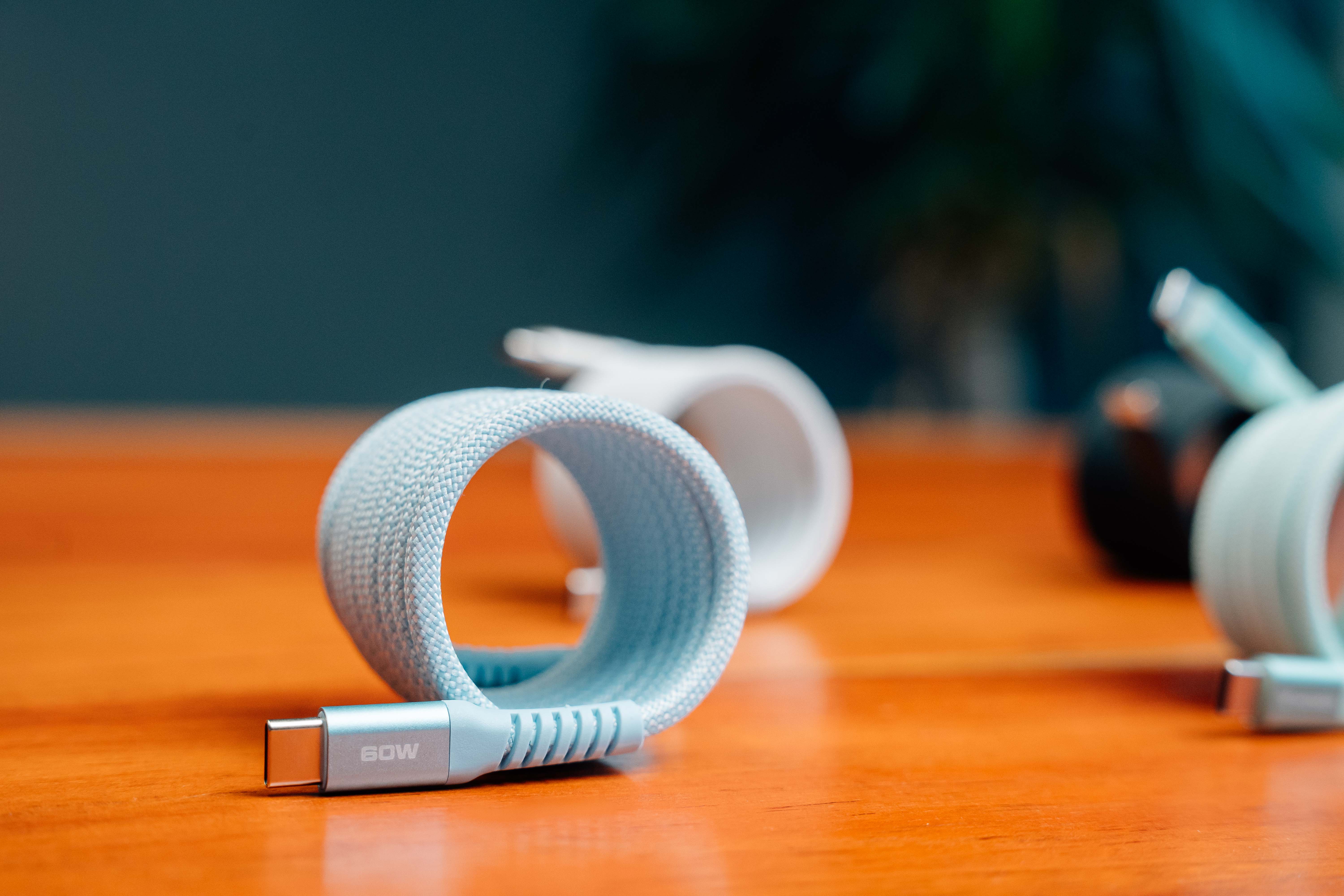
USB-C has quickly become the most important connector in modern technology, and for good reason. From faster charging and high-speed data transfer to universal compatibility across devices, USB-C simplifies how we connect, power, and move data every day.
As more devices adopt USB-C, consumers benefit from fewer cables, better performance, and clearer choices. It’s also why regulators such as the EU have formally adopted USB-C as the common charging standard, reinforcing a shift that was already well underway.
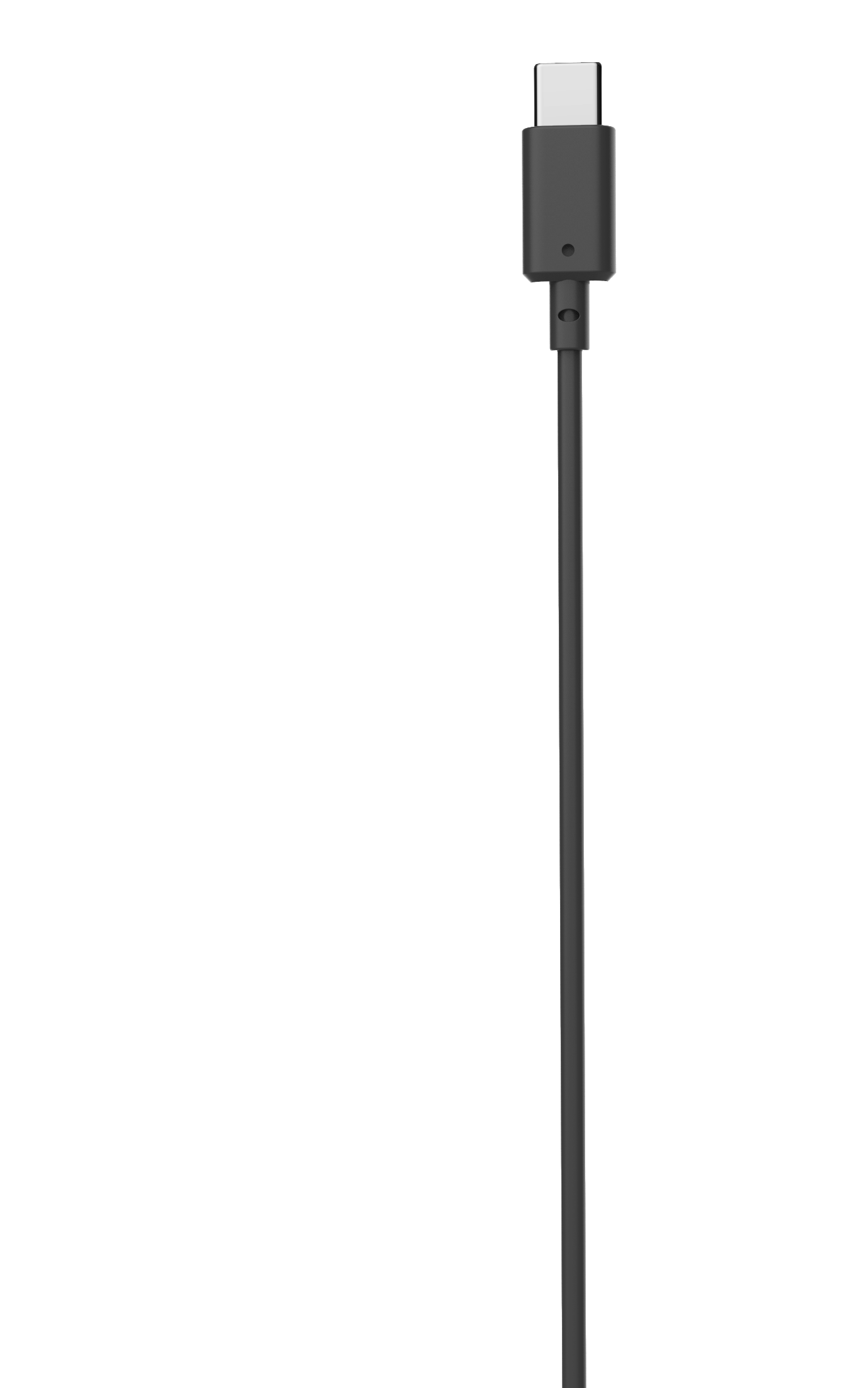
Why USB-C Has Become the Universal Connector
USB-C isn’t just another port - it’s a major upgrade over older USB standards.
One Connector, Multiple Uses
A single USB-C connection can handle:
Charging devices
Transferring data
Connecting displays
Powering accessories
This means fewer ports, fewer cables, and less confusion - whether you’re at home, in the office, or travelling.
Faster Charging and More Power
USB-C supports USB Power Delivery (USB-PD), allowing devices to negotiate power intelligently. This enables:
Fast charging for phones and tablets
Enough power to charge laptops
Safer, more efficient energy use
High-Speed Data Transfer
USB-C supports a range of modern data standards, making it ideal for:
External storage
Large file transfers
Creative and professional workflows
This is why USB-C is now the connector of choice for devices like external SSDs, docking stations, and hubs.
How the EU USB-C Charging Standard Benefits Consumers
USB-C’s technical advantages are exactly why the EU selected it as the mandatory charging standard for many consumer electronics.
Rather than introducing a new technology, the regulation reinforces an existing best-in-class solution - one that was already widely adopted by manufacturers and consumers alike.
For consumers, this means:
Greater confidence when buying devices and accessories
Fewer proprietary chargers and cables
Easier compatibility across brands
Reduced electronic waste
Standardisation removes uncertainty and helps USB-C reach its full potential as a truly universal connector.
Not All USB-C Cables Are the Same
While USB-C connectors look identical, the cables themselves can differ significantly in performance. Choosing the right cable depends on how you plan to use it.
Charging Power Matters
Some USB-C cables are designed for basic charging, while others support higher wattage for laptops and power-hungry devices. Always check the cable’s power rating if fast or high-power charging is important.
Data Transfer Speeds Vary
USB-C cables may support anything from basic USB speeds to high-performance standards suitable for external SSDs. If you regularly move large files, cable speed matters just as much as the device itself.
Connecting a Display with USB-C
Some USB-C cables can carry a video signal to a monitor - others cannot.
If you want to connect a laptop to an external display or a portable monitor using a single USB-C cable, the cable must support DisplayPort over USB-C (sometimes called “DisplayPort Alt Mode”).
In practical terms:
Display-capable USB-C cables can send video and power at the same time, allowing one cable to connect and power a portable monitor.
Charging-only USB-C cables may look identical but will not work for displays.
This is especially important when using:
USB-C portable monitors
USB-C docking stations or hubs with HDMI or DisplayPort outputs
To avoid confusion, always check whether a USB-C cable is labelled as supporting video or DisplayPort - not just charging.
Choosing the Right USB-C Accessories
With USB-C now firmly established as the standard connector, choosing the right accessories helps you get the most out of its versatility.
USB-C cables should clearly state their supported charging wattage, data transfer speeds, and display capabilities, ensuring reliable performance across devices.
USB-C hubs and adapters allow a single USB-C port to connect displays, storage, networks, and legacy devices - ideal for laptops with limited ports.
USB-C SSDs take advantage of high-speed data transfer, making them a compact and efficient solution for backups, media libraries, and professional workflows.
USB-C also enables more powerful and streamlined power solutions:
GaN chargers with USB-C ports deliver high power output in a compact form factor, allowing a single charger to safely fast-charge laptops, tablets, and phones.
Portable USB-C monitors can connect to compatible laptops using a single cable for both power and display - reducing cable clutter and making mobile workspaces easier to set up.
Travel adapters and power banks with integrated USB-C cables simplify charging on the go, removing the need to carry extra cables while ensuring compatibility with modern devices.
By choosing well-designed USB-C accessories, you can build a flexible setup that supports fast charging, high-speed data, and portable productivity - all with fewer cables and less complexity.
Discover USB-C
Products
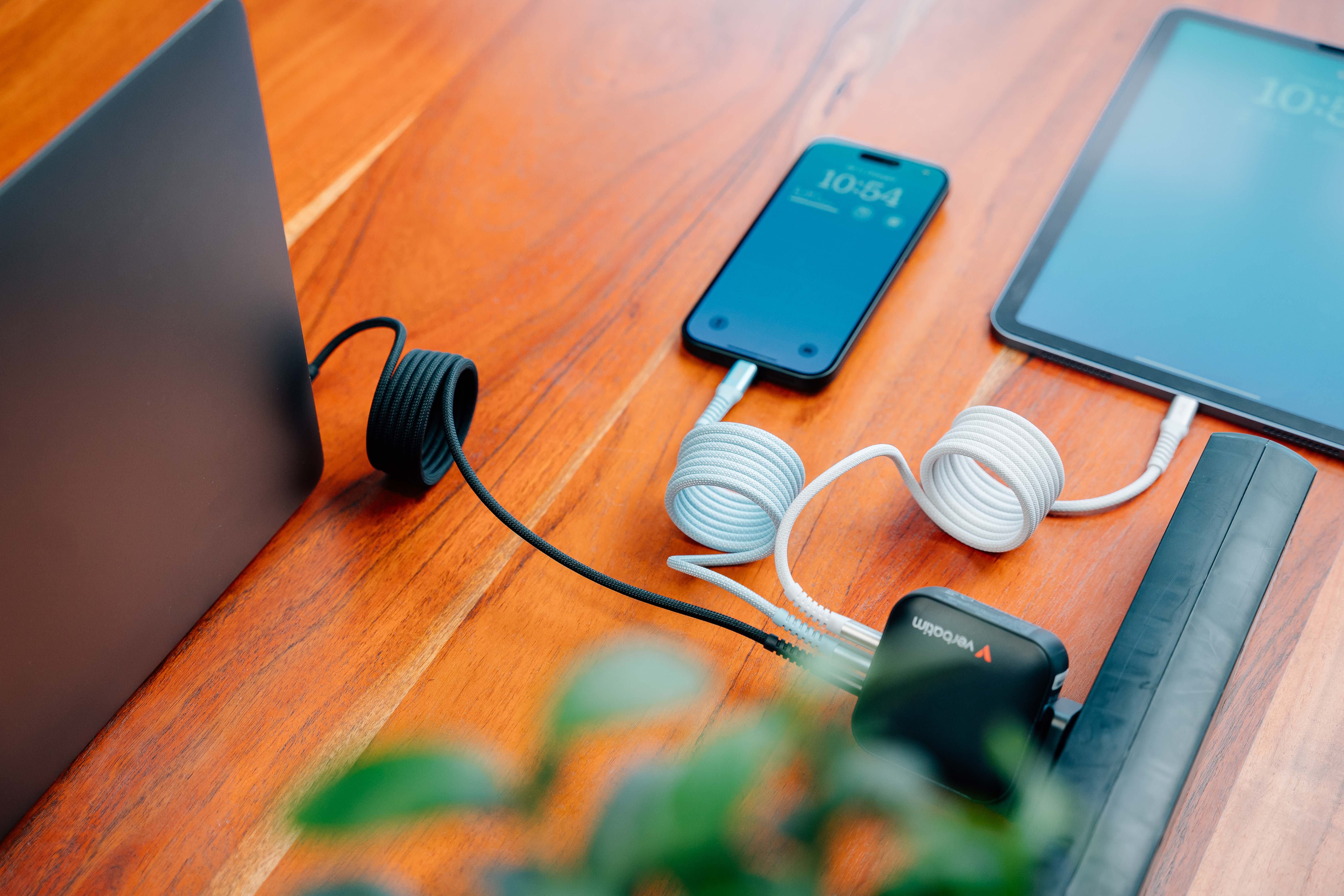
USB-C Cables
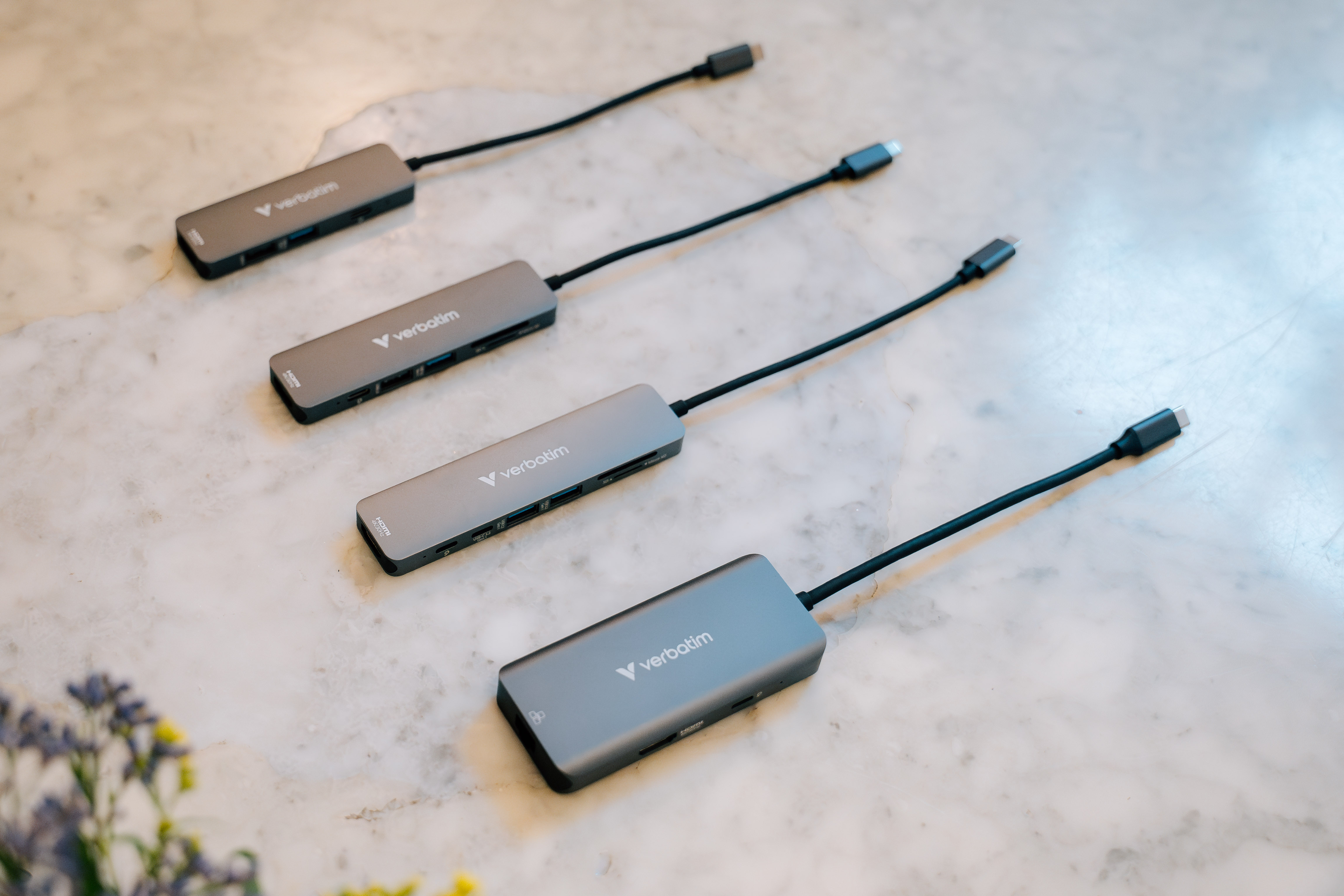
USB-C Hubs and Adapters

USB-C SSDs
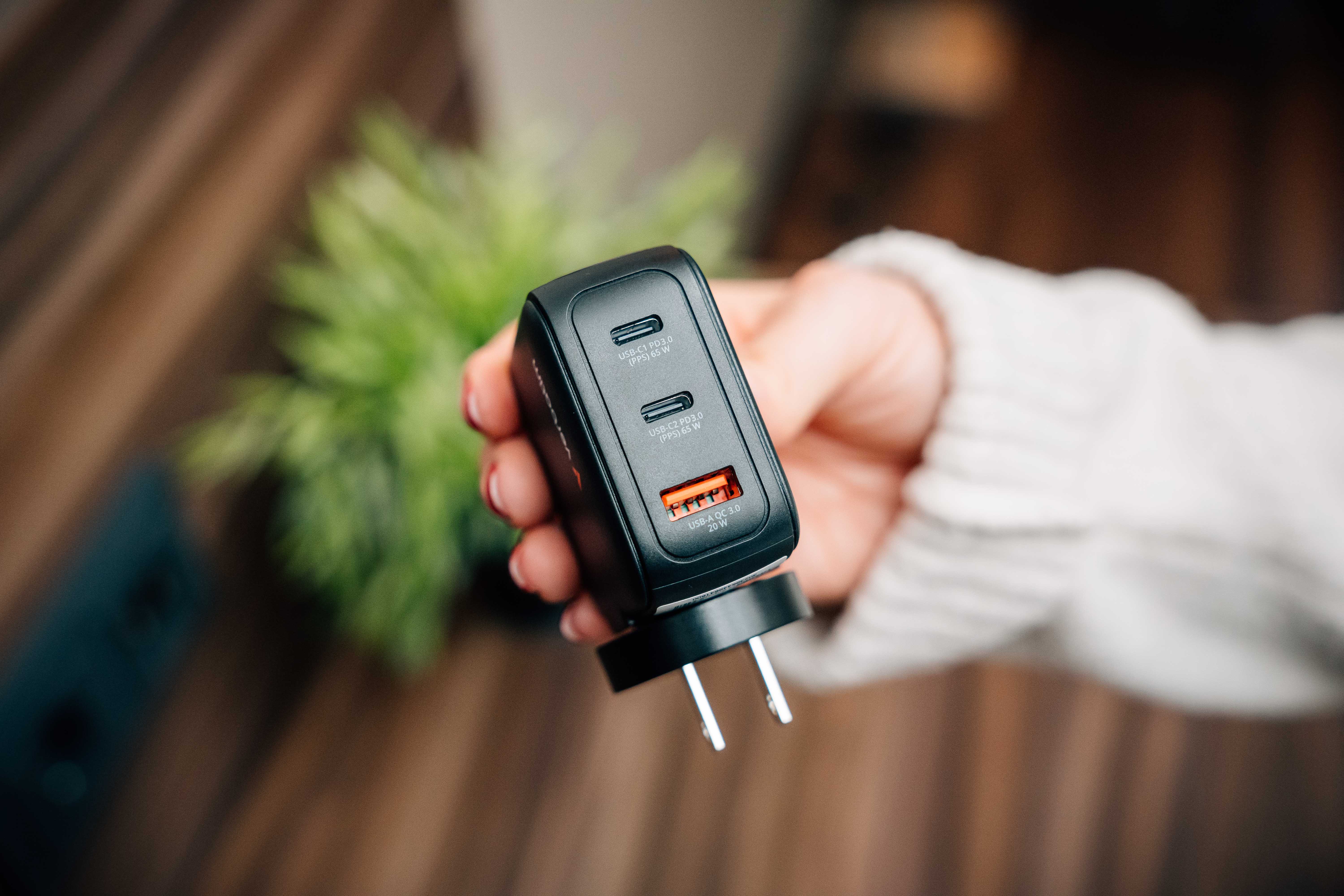
GaN Chargers with USB-C ports

Portable USB-C Monitors
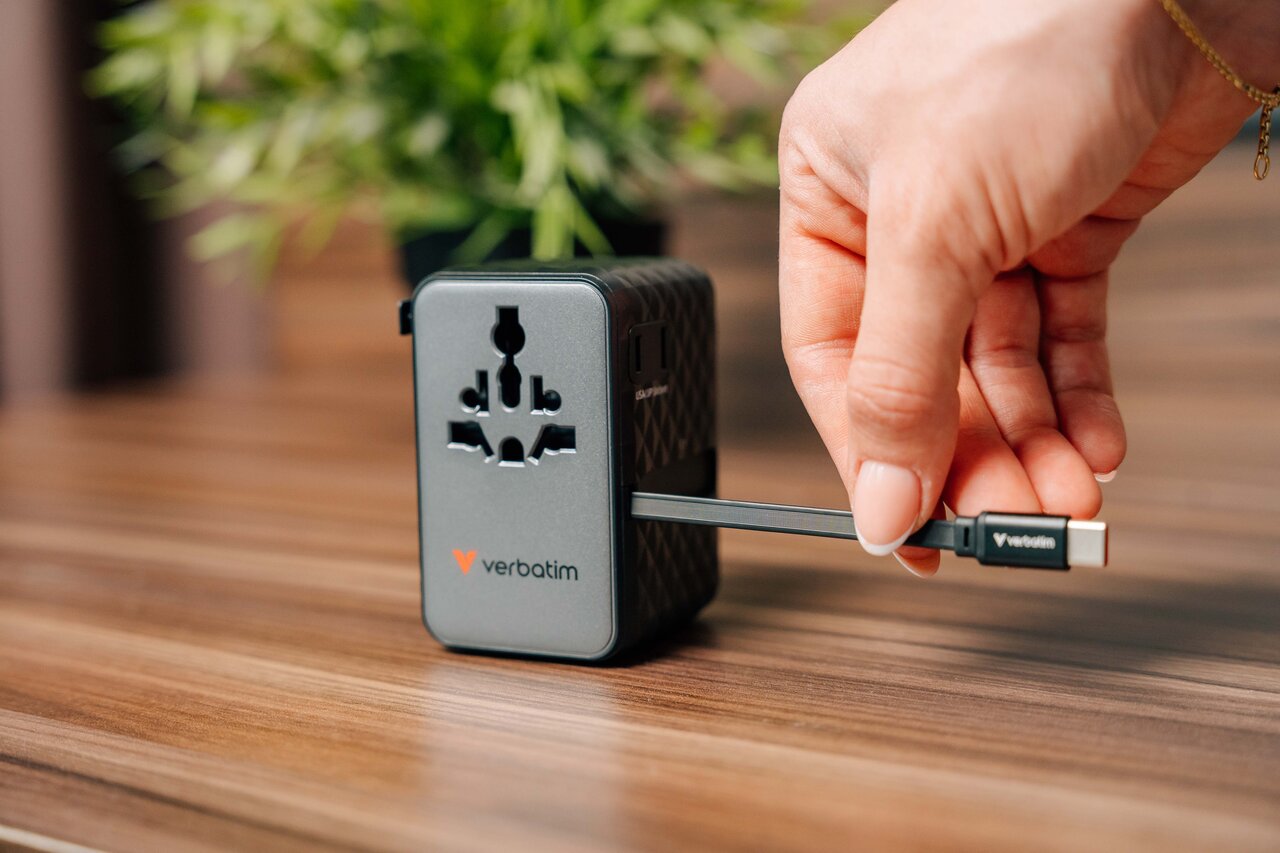
Travel Adapters
with integrated USB-C Cables
Go to Travel Adapters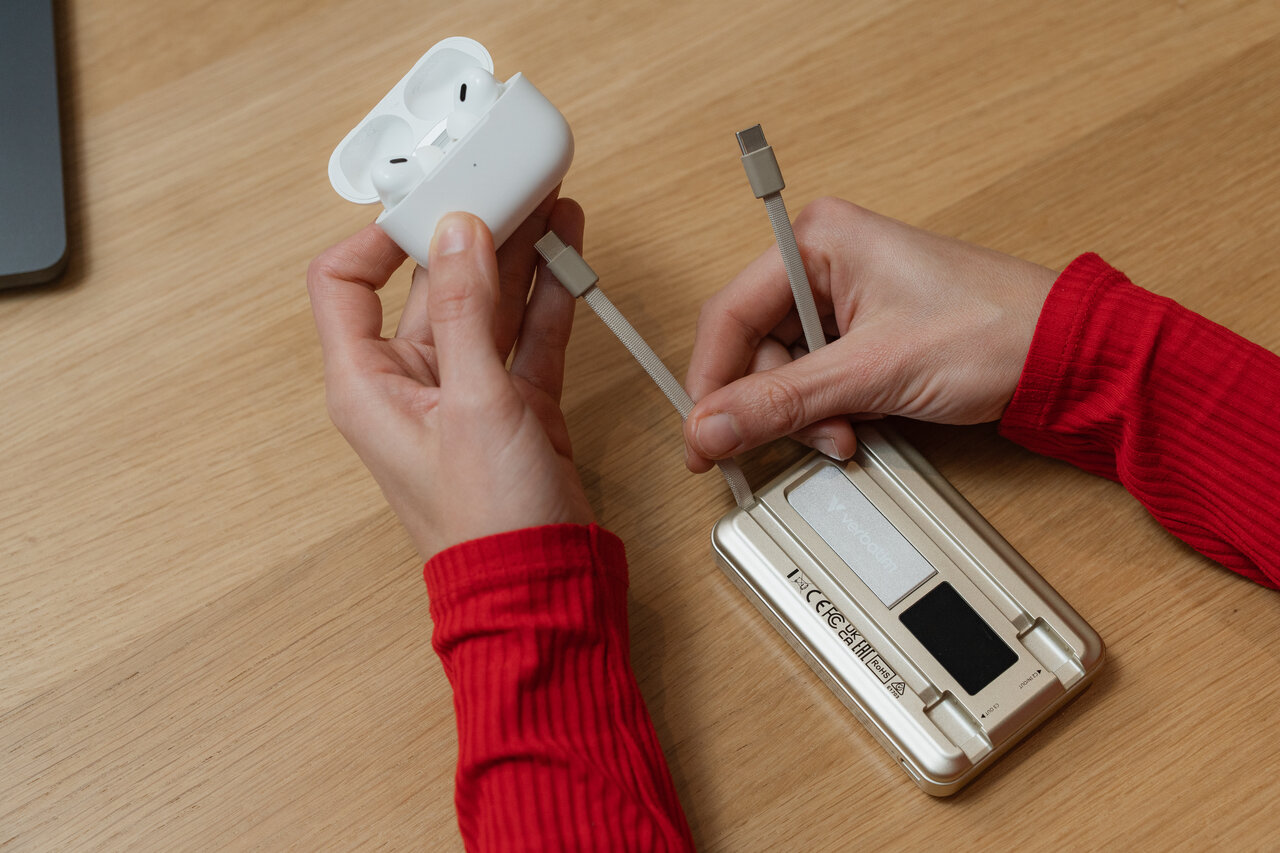
Power Banks
with integrated USB-C Cables
Go to Power Banks