Verbatim

EU USB-C® Law 2026

Gan Charger 65w With Cable Dec 2025 32217 Df 2

EU USB-C® Law 2026: Mandatory USB-C Charging for Laptops Explained

From 28 April 2026, the EU USB-C law will require all new laptops sold within the European Union to support USB-C charging. The goal is to reduce electronic waste, simplify charging across devices, and create a more consistent experience for consumers. As a result, demand for high-wattage USB-C chargers and GaN chargers for laptops is expected to grow significantly.
Verbatim Lifestyle Pictures Cables Nov 2024 Df1

Why the EU Is Introducing USB-C Charging for Laptops

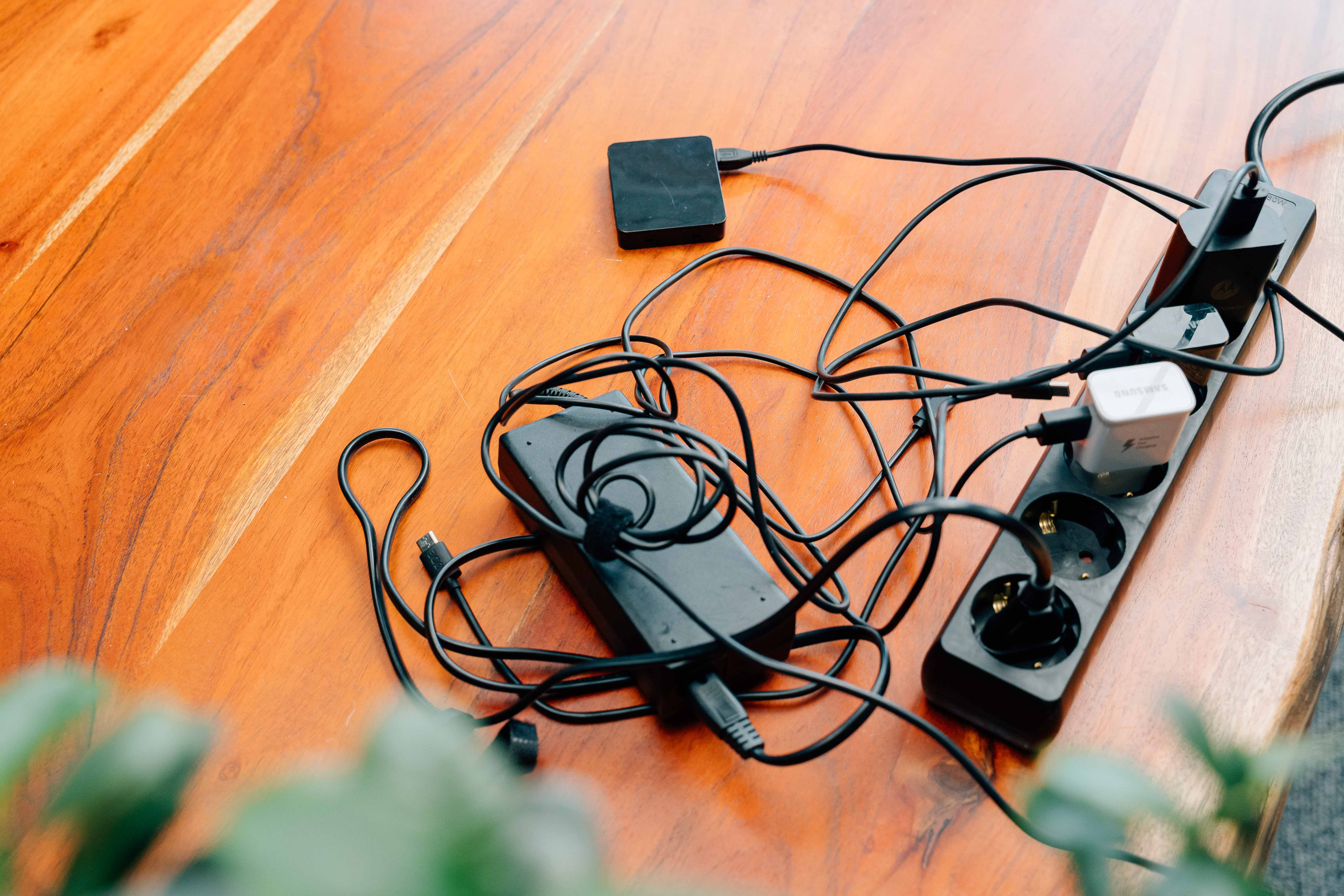
Electronic waste is one of the fastest-growing waste streams worldwide, with incompatible chargers playing a major role. Many users accumulate unused power adapters as devices change, leading to unnecessary environmental impact.

By introducing mandatory USB-C charging for laptops, the EU aims to:

  • Reduce redundant chargers and cables

  • Encourage reuse of existing USB-C accessories

  • Lower manufacturing demand for proprietary charging systems

  • Make charging simpler across multiple devices

This regulation builds on earlier EU initiatives and marks a major step toward a more sustainable electronics ecosystem.

What the EU USB-C Law Means for Laptop Buyers

For consumers, USB-C laptop charging brings greater flexibility and convenience. When buying a laptop after April 2026, users can expect:

  • Broad compatibility with USB-C laptop chargers

  • The ability to charge multiple devices with one charger

  • Less need to carry different adapters when travelling

However, not all USB-C chargers deliver the same performance. Laptops typically require higher power levels—often 65W, 100W, or up to a 140W USB-C charger for more demanding models. Choosing the right charger and cable is essential to ensure safe and efficient charging.

Why High-Wattage GaN Chargers Are Essential for USB-C Laptops

As USB-C becomes the standard, GaN (Gallium Nitride) technology is increasingly important for delivering the power laptops require. GaN chargers for laptops are more efficient than traditional silicon-based chargers, allowing higher wattage output in a smaller, more compact design.

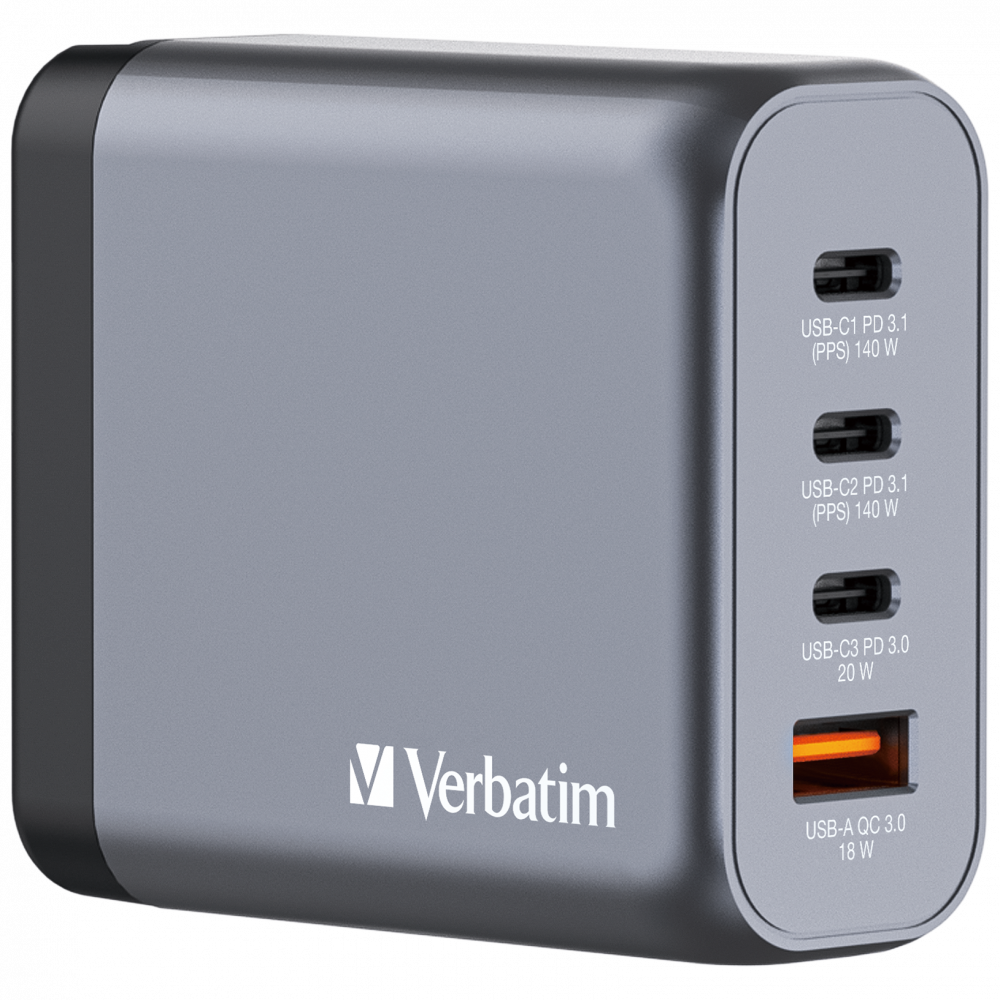
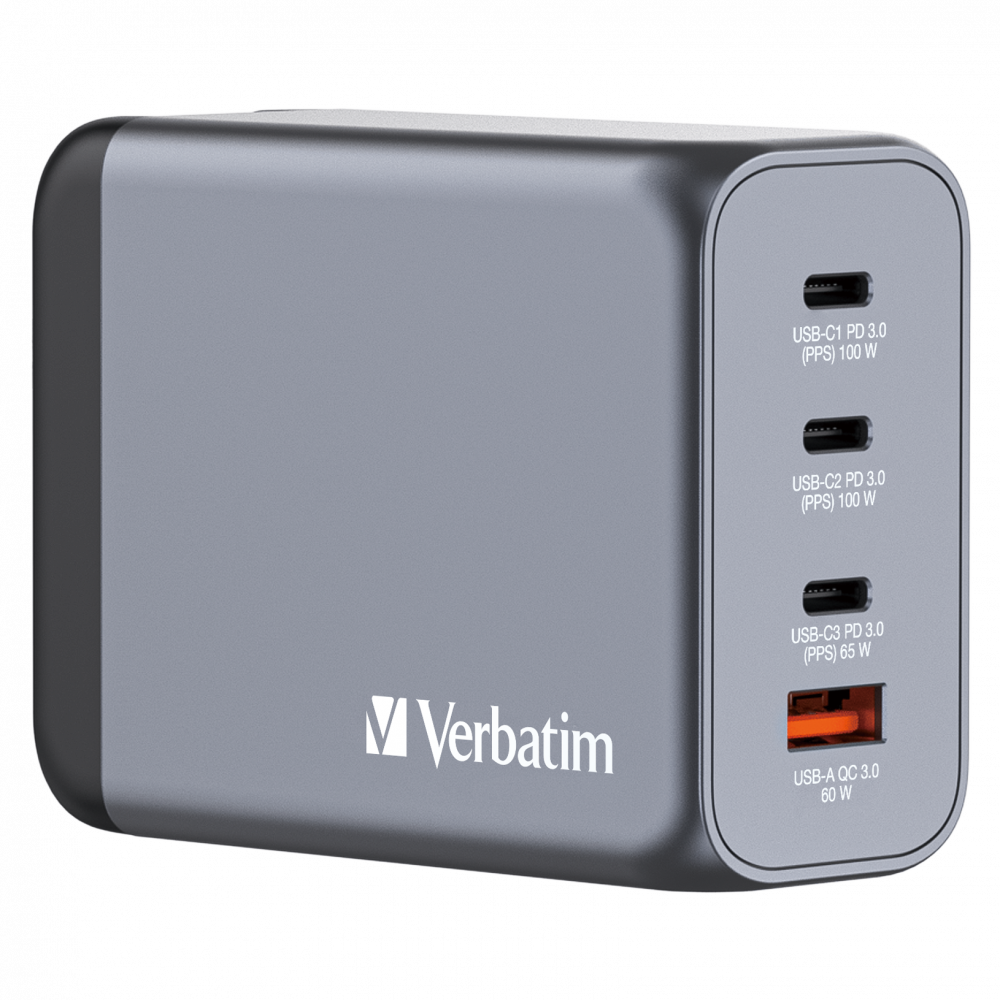
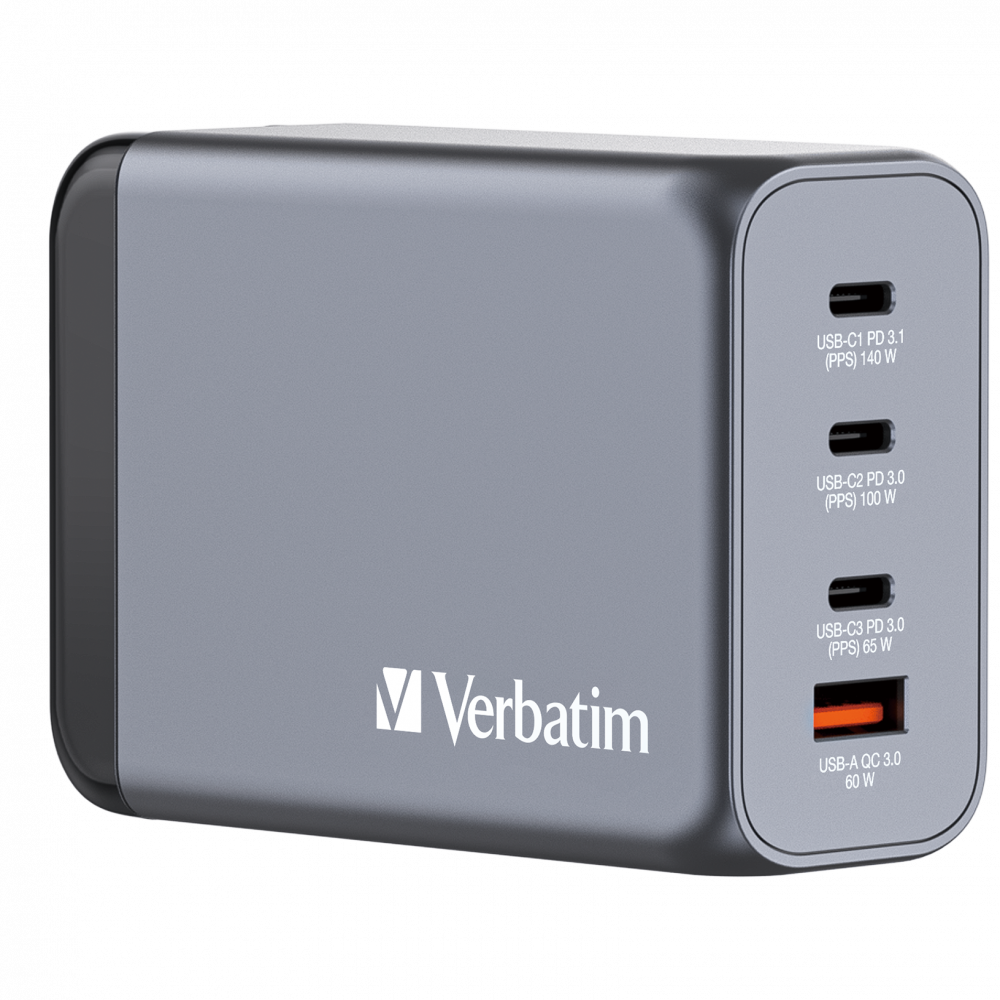
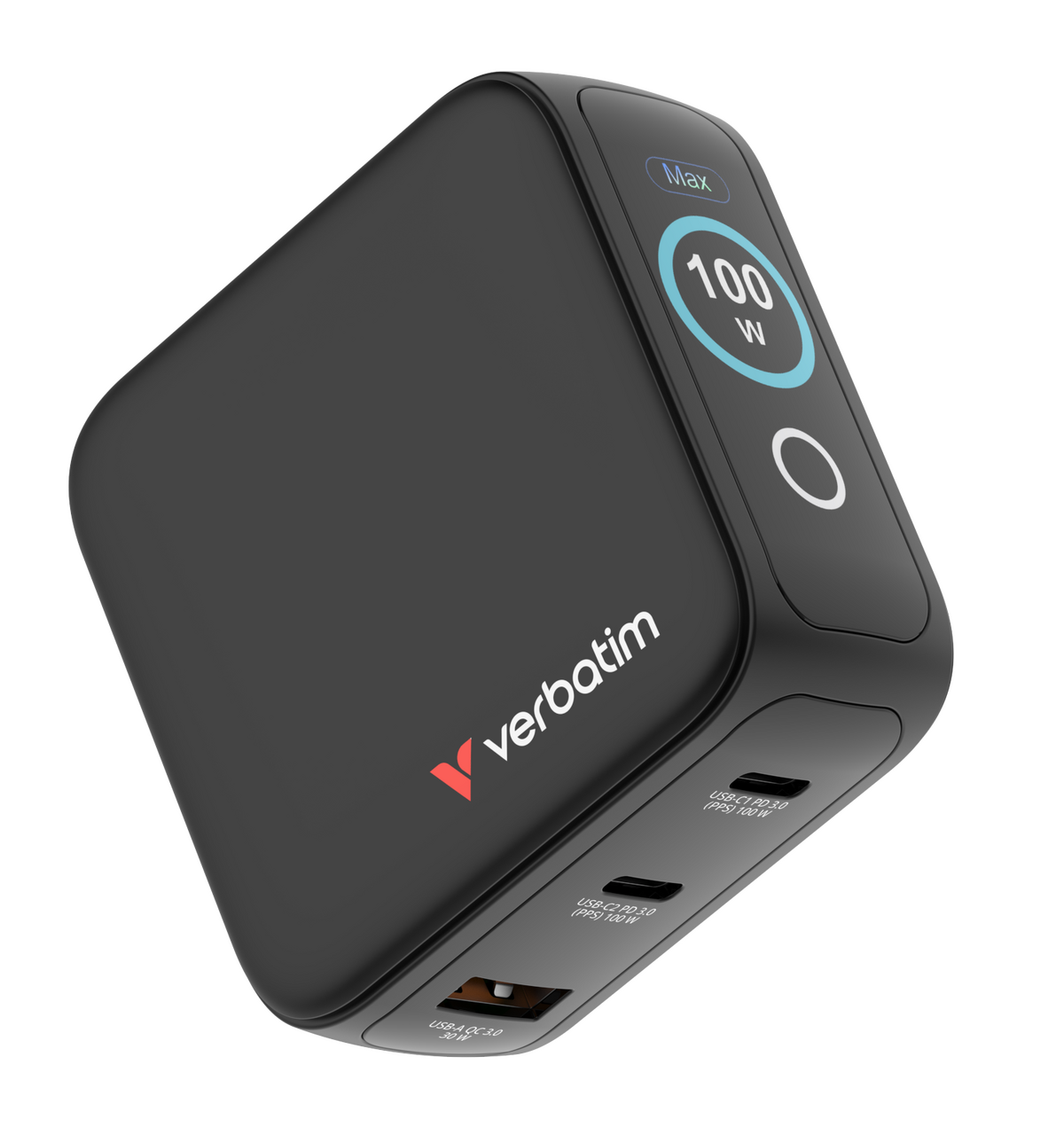
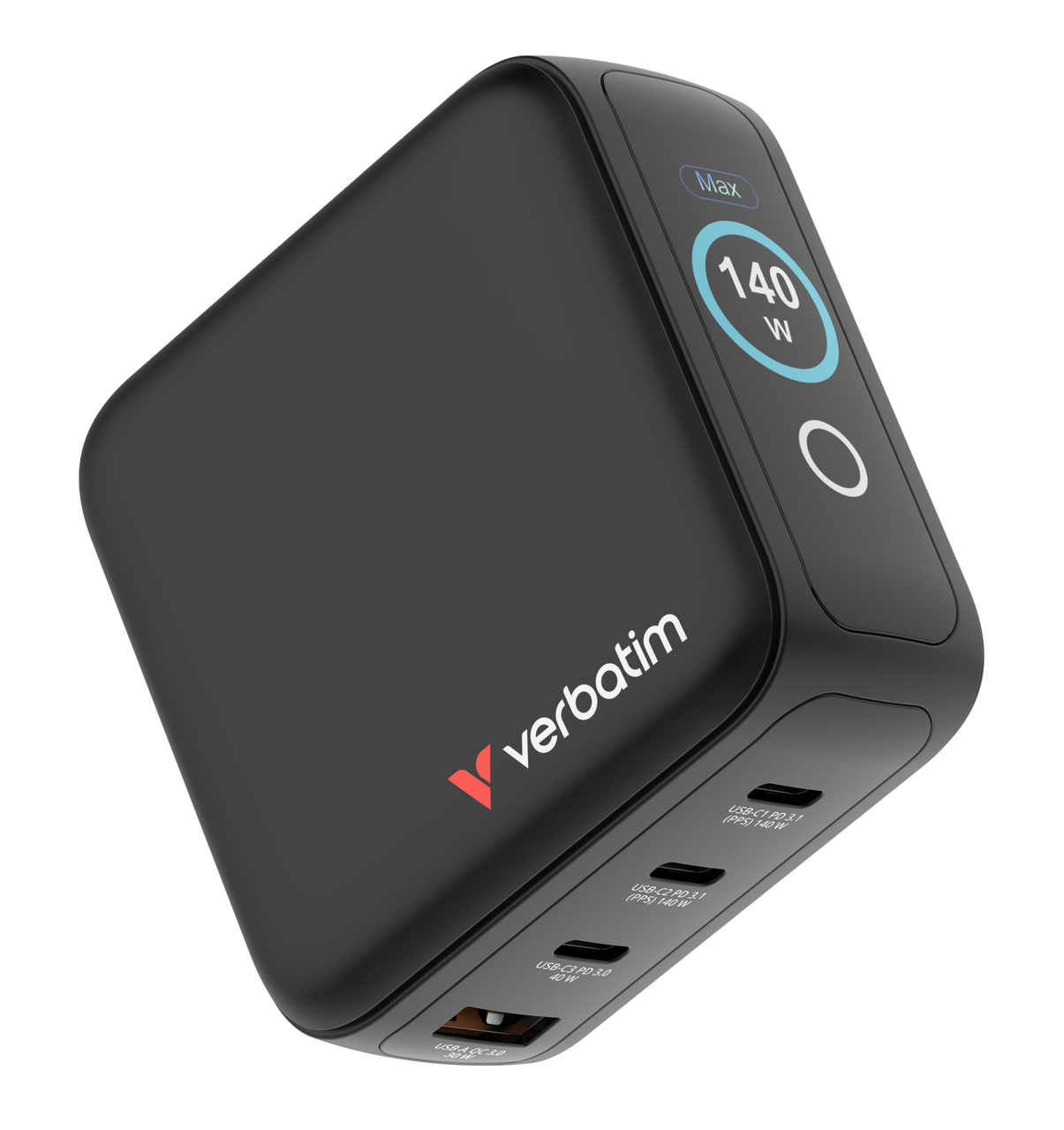
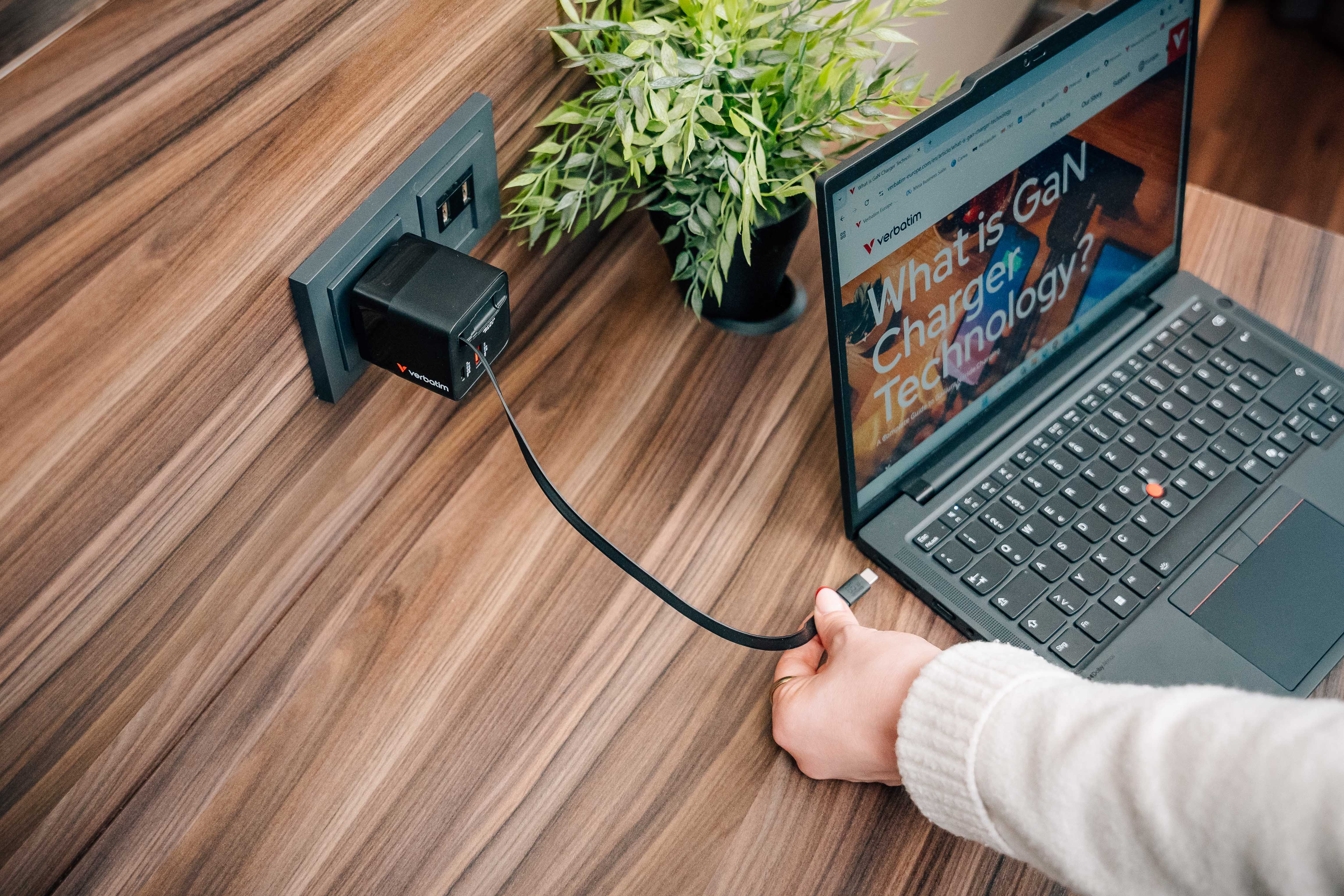
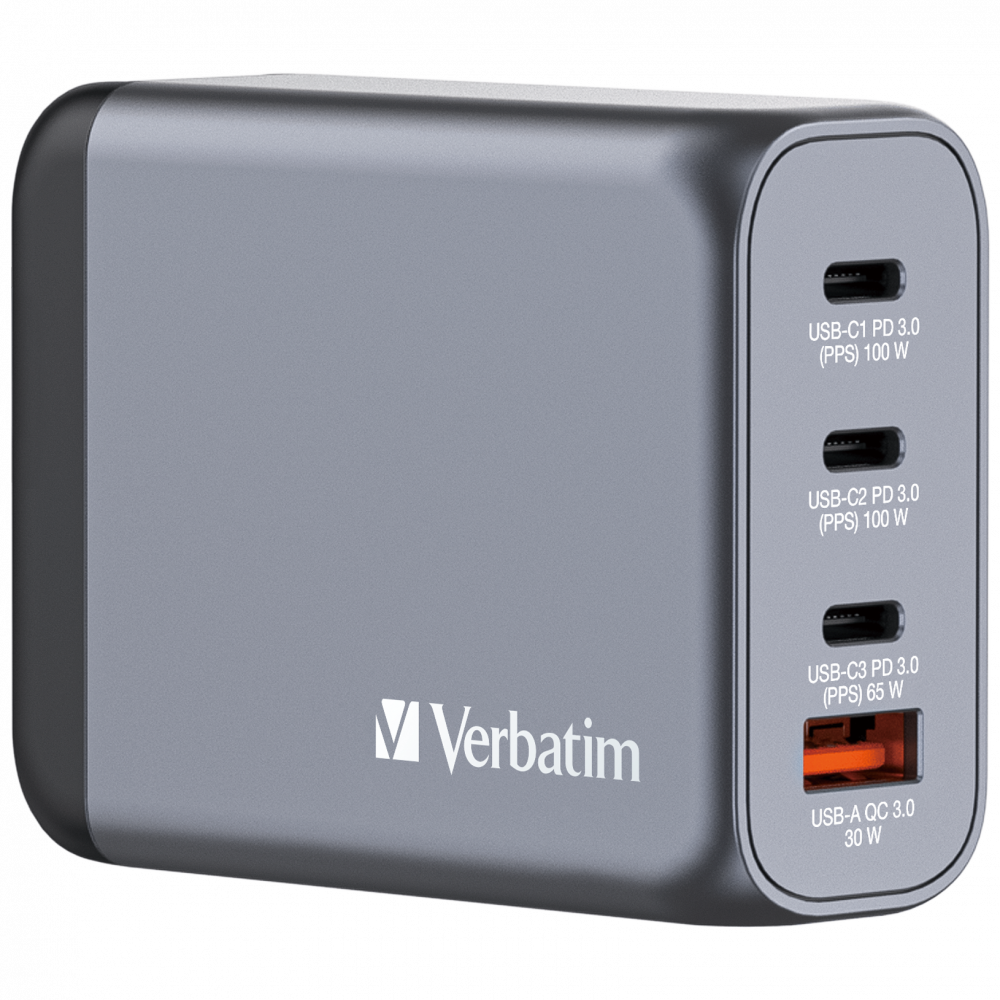
Verbatim GaN chargers are designed to meet these needs, offering reliable high-wattage USB-C charging for laptops and other devices. Options such as a 140W USB-C GaN charger with multiple ports provide enough power for laptops while also supporting smartphones, tablets, and accessories at the same time.

Choosing the Right USB-C Cable for Laptop Charging

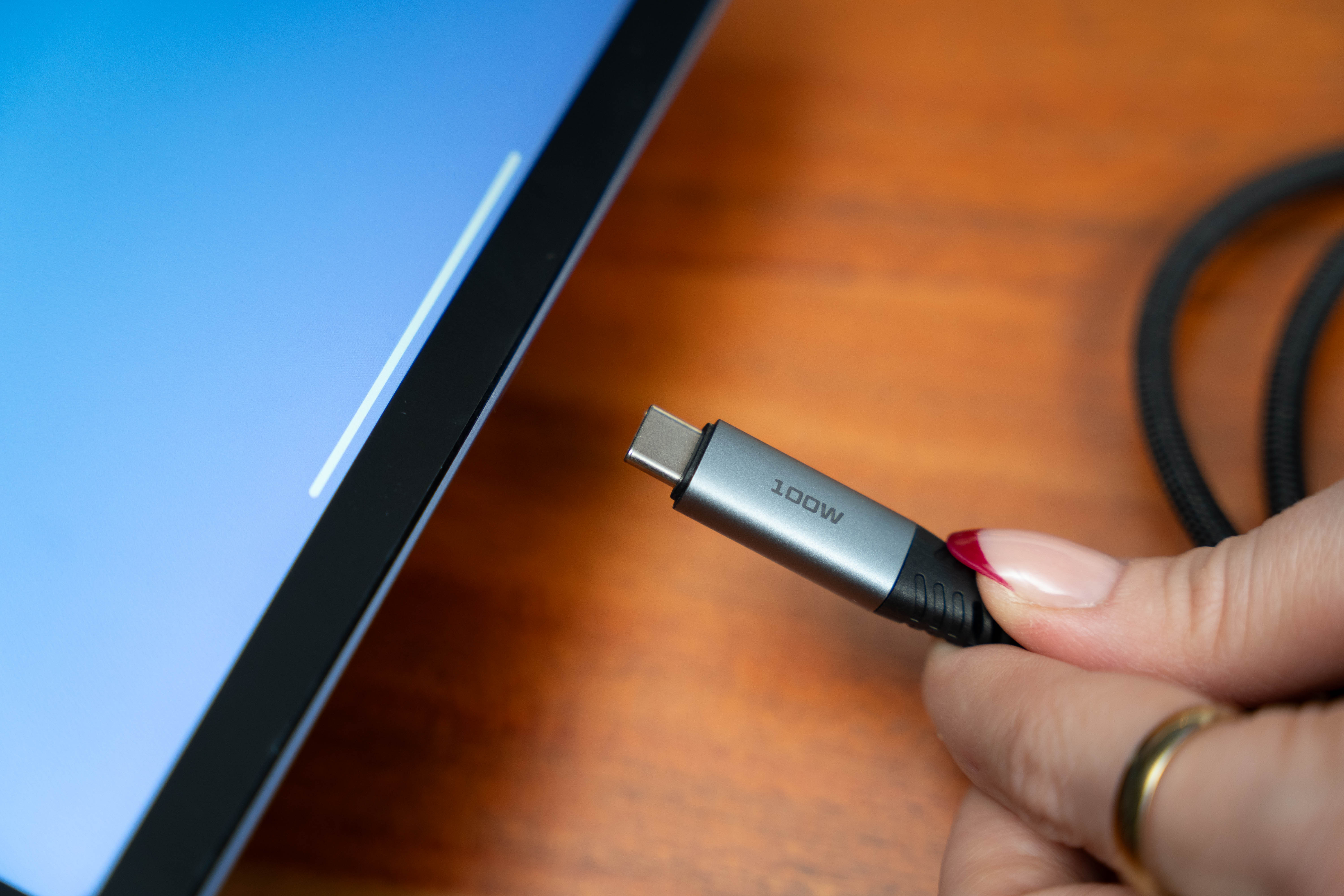
Alongside a powerful charger, using the correct cable is critical. Not all USB-C cables support high wattage, and using an unsuitable cable can limit charging performance.

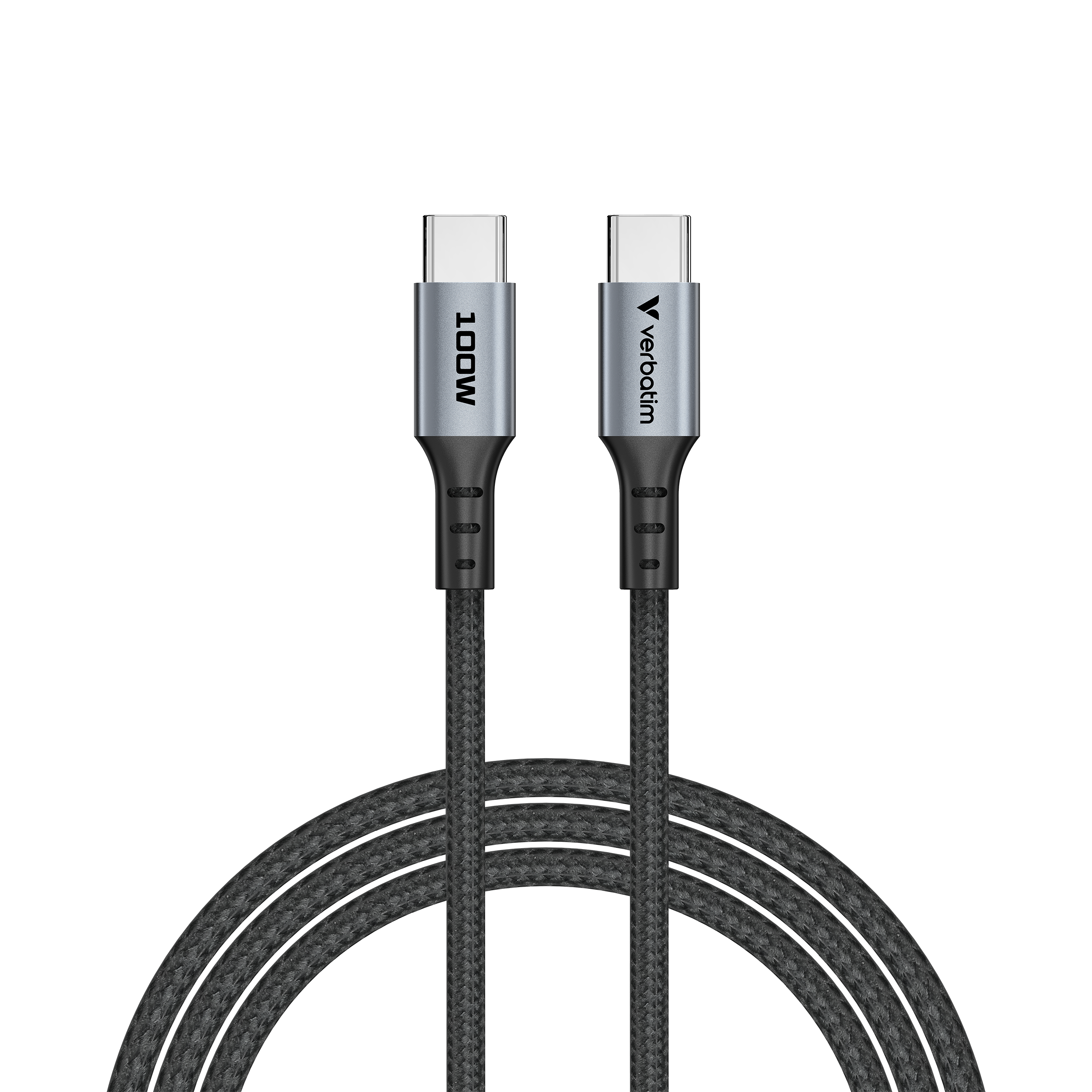
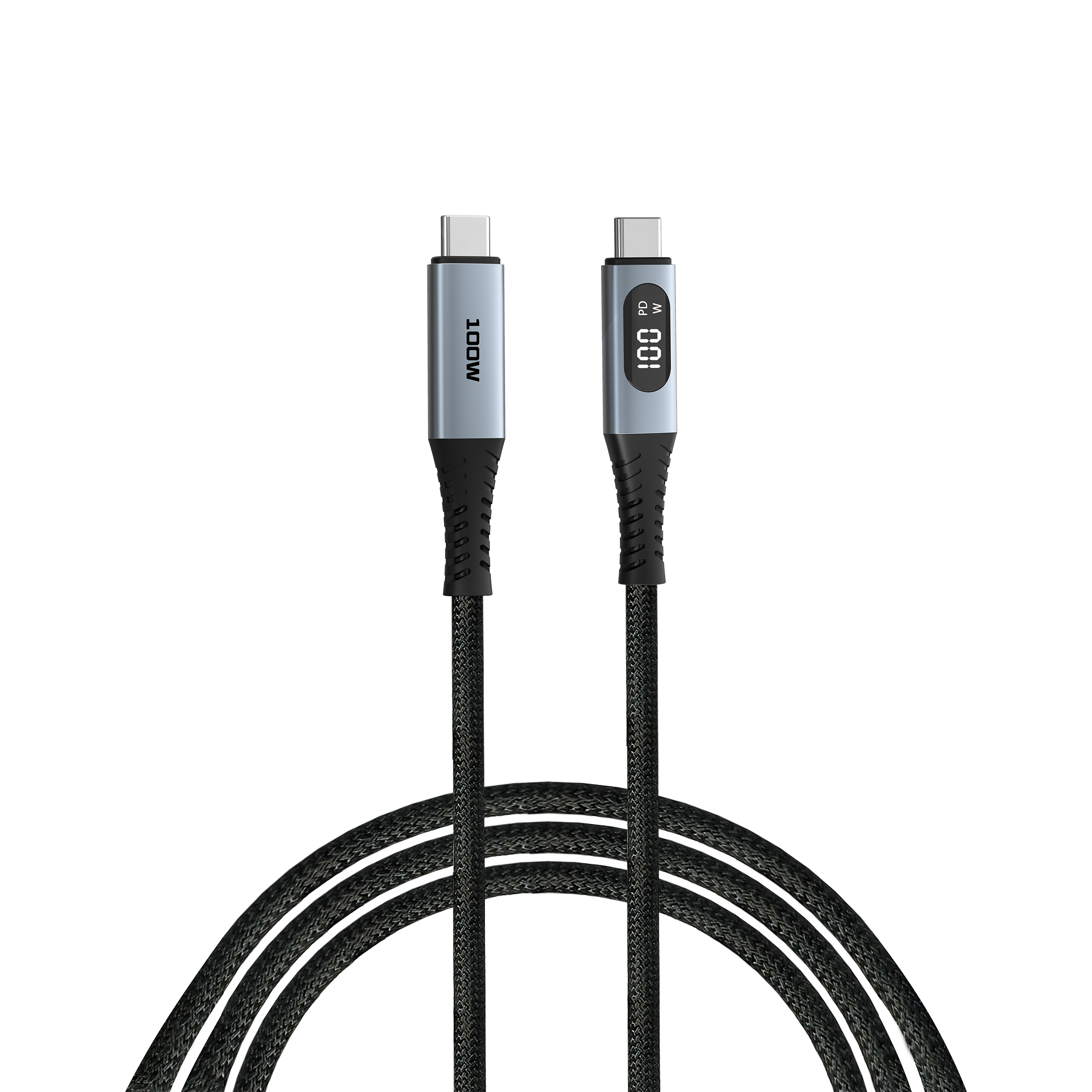
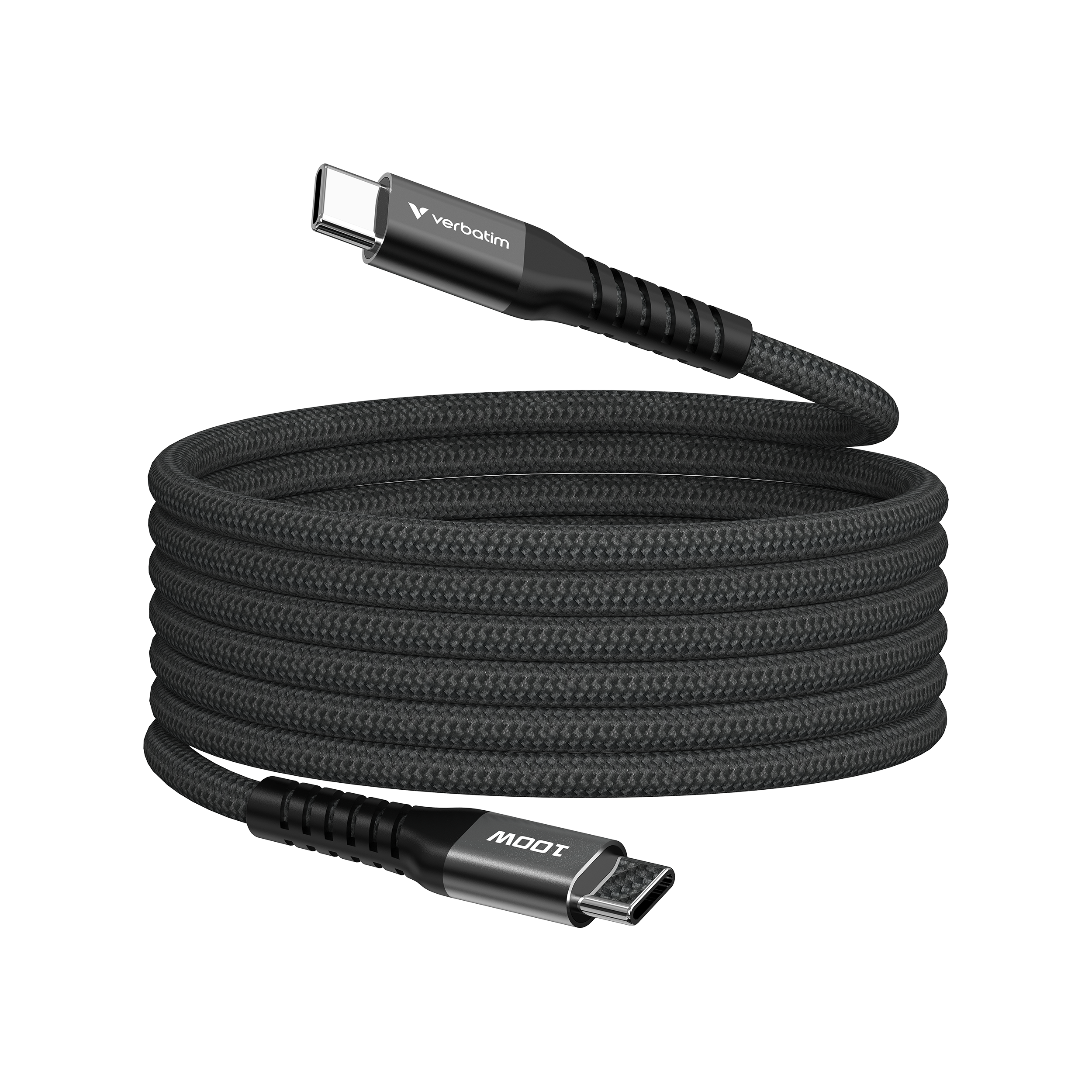
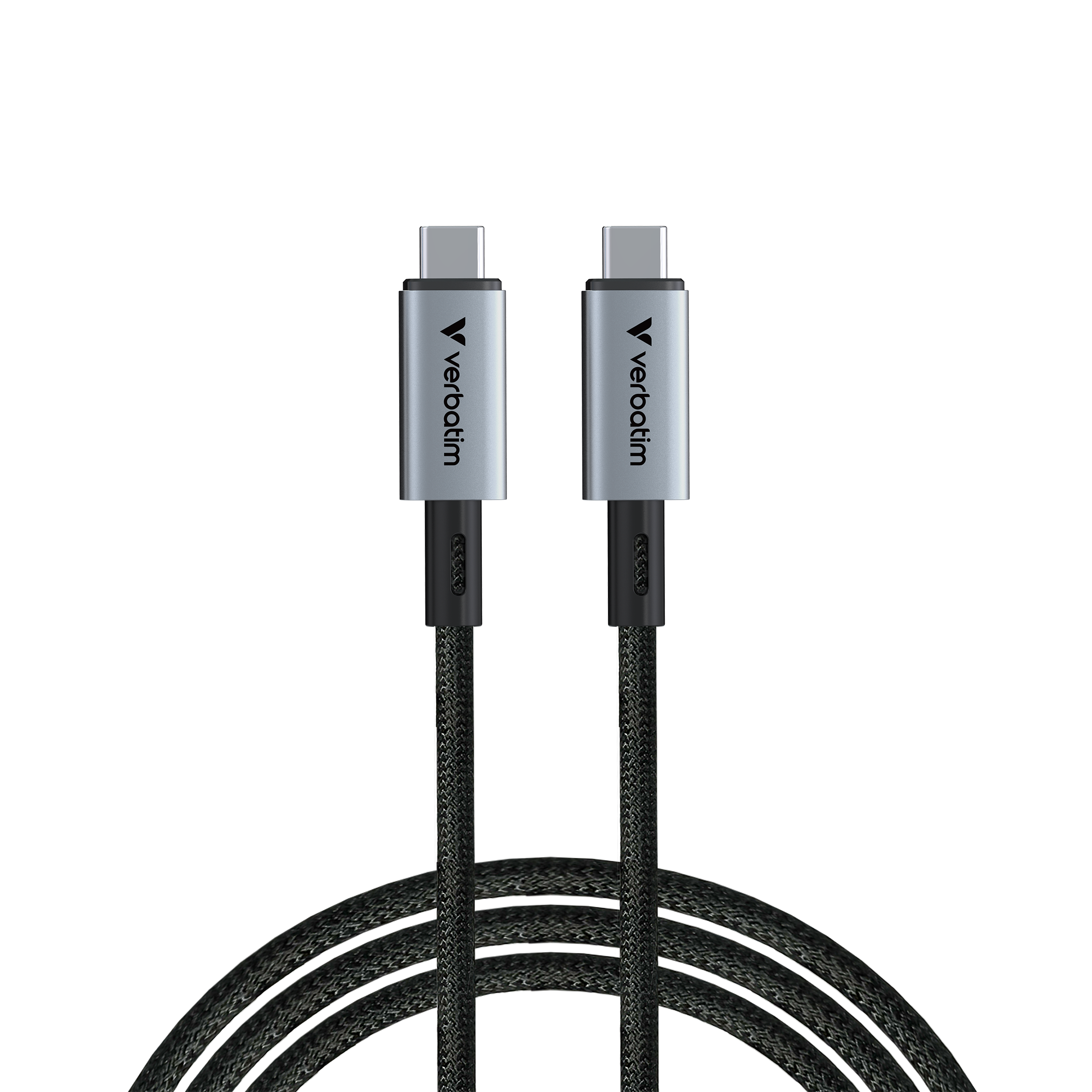
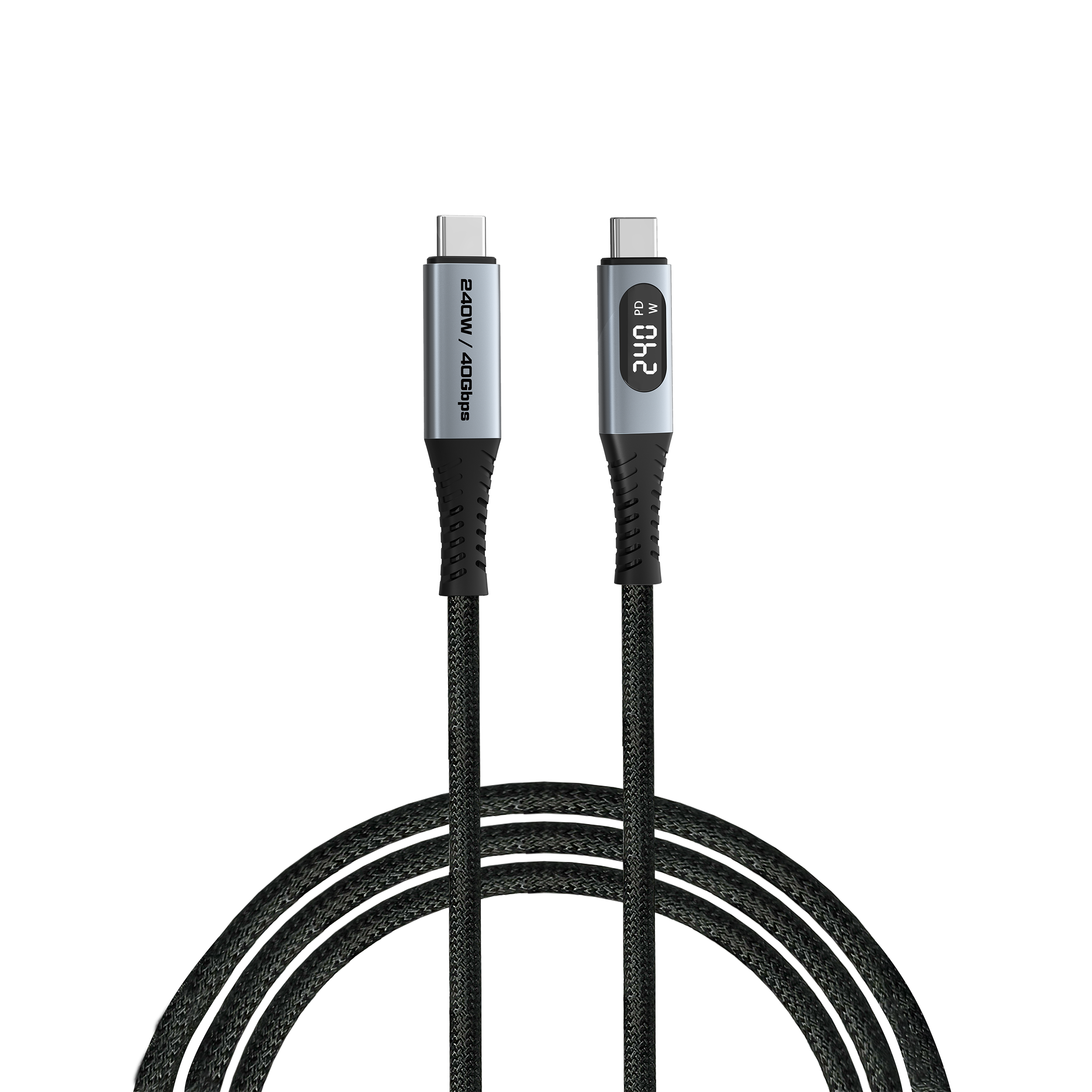
Verbatim USB-C cables are built to handle higher power delivery, making them suitable for USB-C laptop chargers and other high-demand devices. This ensures consistent, safe, and efficient charging—especially when using a 100W or 140W USB-C charger.

One Charger for Multiple Devices and Locations

A key benefit of USB-C standardisation is the ability to use a single charger across multiple devices. Verbatim GaN chargers for laptops are designed with this in mind, featuring multi-port functionality so users can charge several devices simultaneously.

Many models also include interchangeable international plug adapters, making them ideal for travel. Whether at home, in the office, or abroad, a single high-wattage USB-C charger can power a full range of devices.

Verbatim Lifestyle Pictures Cables Nov 2024 31846 Df1

Looking Ahead to USB-C Standardisation

The EU USB-C law coming into effect on 28 April 2026 represents a significant shift in how laptops and other electronics are powered. By standardising USB-C charging, the EU is reducing waste while improving convenience for consumers.

For laptop users, this change makes it more important than ever to choose the right accessories. High-quality solutions such as Verbatim GaN chargers and Verbatim USB-C cables ensure compatibility, performance, and long-term reliability in a USB-C-first world.